
Enterprise Resource Planning systems have become the backbone of modern organisations in India and across the globe. From finance and human resources to supply chain and manufacturing, ERP software integrates core business processes into a unified system.
One of the most common questions businesses ask before investing in such software is how many levels does a typical ERP system include.
Understanding ERP levels is essential because the structure and classification of an ERP system directly affect scalability, cost, implementation complexity, and long term performance.
In 2026, with the rise of cloud computing and digital transformation, ERP systems are more layered and strategically classified than ever before. This article explains ERP tiers, architecture layers, and how organisations can determine the right level for their needs.
How Many Levels Does a Typical ERP System Include?

When discussing how many levels does a typical ERP system include, the answer depends on the perspective being considered. Generally, ERP systems are understood in two ways. First, through tier classification such as Tier 1, Tier 2, and Tier 3. Second, through technical architecture levels such as presentation, application, and database layers.
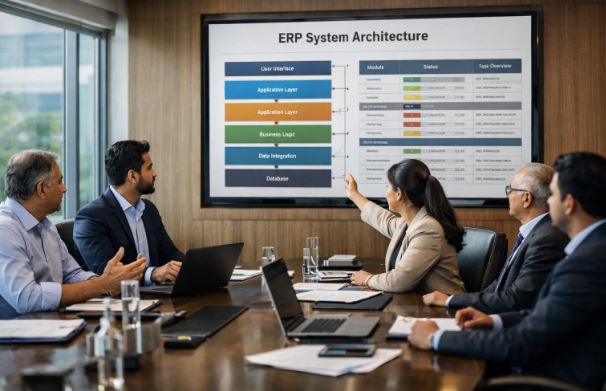
Most modern ERP systems follow a three tier structure in terms of architecture. These include:
- Presentation layer where users interact with the system
- Application layer where business logic is processed
- Database layer where data is stored and managed
At the same time, ERP vendors are classified into three tiers based on business size and capability. Therefore, a typical ERP system includes three architectural layers and is commonly categorised into three vendor tiers. This dual understanding helps organisations align technical structure with business requirements.
What Are the Different ERP Tiers: Tier 1, Tier 2, and Tier 3?
ERP tiers classify systems based on company size, global presence, and operational complexity. According to industry insights, this classification helps businesses evaluate ERP scalability and market positioning.
Tier 1 ERP Systems
Tier 1 ERP solutions are designed for large enterprises with global operations. These systems support multiple currencies, languages, and regulatory frameworks. They are highly scalable and suitable for multinational corporations.
Tier 2 ERP Systems
Tier 2 ERP systems are ideal for mid-sized organisations. They provide robust functionality but at a lower cost and complexity compared to Tier 1 solutions. Many growing companies prefer Tier 2 ERP for balancing performance and affordability.
Tier 3 ERP Systems
Tier 3 ERP solutions are built for small businesses or local enterprises. They offer essential modules such as accounting and inventory management, but may not support complex global operations.
This tier structure clarifies that when asking how many levels does a typical ERP system include, businesses often refer to these three vendor tiers.
How Does Three-Tier ERP Architecture Work in Modern Enterprise Systems?
Beyond vendor classification, ERP architecture typically follows a three-tier model. This structure ensures better performance, security, and scalability.
Presentation Layer
This is the user interface. Employees access dashboards, reports, and forms through web browsers or mobile applications. In 2026, cloud-based ERP systems heavily optimise this layer for remote access.
Application Layer
The application layer processes business logic. It handles workflows, approvals, financial calculations, and supply chain operations. This layer ensures data consistency and enforces company policies.
Database Layer
The database layer stores organisational data such as customer records, payroll details, and inventory levels. It ensures data integrity and supports reporting and analytics.
Separating these layers improves system performance and simplifies maintenance. It also enhances cybersecurity by restricting direct access to sensitive data.
Why Do Businesses Classify ERP Systems into Different Levels?

ERP system classification is not just technical. It is strategic. Businesses classify ERP systems into levels to match organisational size and growth plans.
Key reasons include:
- Scalability requirements
- Industry-specific compliance
- Budget considerations
- Implementation complexity
Large enterprises require global integration and advanced analytics. Mid-market companies need flexible systems that grow with them. Small businesses prioritise affordability and simplicity. By understanding ERP levels, organisations avoid over-investing in complex solutions or under-investing in inadequate systems.
How Do ERP Modules Fit Into Different ERP System Levels?
ERP modules are functional components such as finance, HR, and supply chain management. These modules remain similar across tiers but vary in depth and integration capability.
Common ERP modules include:
- Finance and accounting
- Human resource management
- Supply chain management
- Manufacturing and production planning
In Tier 1 systems, modules are deeply integrated and support advanced analytics and automation. Tier 2 systems provide strong core functionality with moderate customisation. Tier 3 systems focus on essential business processes.
The number of levels in an ERP system influences how these modules interact. Higher-tier systems offer broader integration across departments and international operations.
What Factors Determine the Right ERP Level for an Organisation?
Choosing the correct ERP level depends on several factors. Companies must evaluate both current operations and future growth.
Important considerations include:
- Company size and revenue scale
- Geographic expansion plans
- Regulatory requirements
- IT infrastructure readiness
- Long-term digital transformation goals
A growing enterprise in India planning international expansion may consider Tier 2 with a scalable architecture. A multinational corporation operating across continents will likely require a Tier 1 ERP. The decision should align with the strategic vision rather than short-term cost savings.
Is a Multi-Tier ERP System Better Than a Single Layer Architecture?

Modern ERP systems rarely operate as single-layer applications. Multi-tier architecture improves flexibility and performance.
Benefits of multi-tier ERP systems include:
- Improved system security
- Better load management
- Easier updates and maintenance
- Enhanced user experience
Cloud ERP solutions in 2026 further optimise multi-tier architecture by hosting application and database layers on secure servers. This reduces on-premises infrastructure burden and supports remote workforce demands.
A single-layer system may work for very small businesses, but as complexity increases, a multi-tier ERP architecture becomes essential for efficiency and scalability.
Conclusion
To summarise how many levels does a typical ERP system include, the answer generally revolves around three tiers and three architectural layers.
ERP systems are classified into Tier 1, Tier 2, and Tier 3 based on organisational scale and functionality. Technically, they operate using presentation, application, and database layers to ensure efficiency and security.
In 2026, with digital transformation accelerating across industries, understanding ERP levels is critical for making informed decisions.
Organisations must evaluate business size, growth strategy, and operational complexity before selecting an ERP solution. A well-chosen ERP system not only streamlines processes but also strengthens long-term competitiveness in a dynamic business environment.
FAQs
How is ERP tier classification different from ERP deployment models?
ERP tier classification refers to vendor capability and business scale, while deployment models describe whether the system is cloud-based or on-premises.
Can a small company use a Tier 1 ERP system?
A small company can use Tier 1 ERP, but it may face higher costs and unnecessary complexity compared to a Tier 2 or Tier 3 solution.
What are examples of Tier 1, Tier 2, and Tier 3 ERP vendors?
Tier 1 vendors typically serve global enterprises, Tier 2 vendors focus on mid-market organisations, and Tier 3 vendors cater to small businesses with limited operational scope.
Does cloud ERP change the traditional three-tier architecture?
Cloud ERP maintains the three-tier architecture but hosts application and database layers on secure cloud infrastructure instead of local servers.
How does ERP scalability impact long-term business growth?
ERP scalability ensures that as a company expands operations, the system can handle increased transactions, users, and geographic complexity without major disruptions.